


























Bio
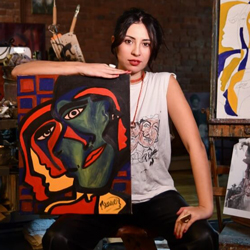
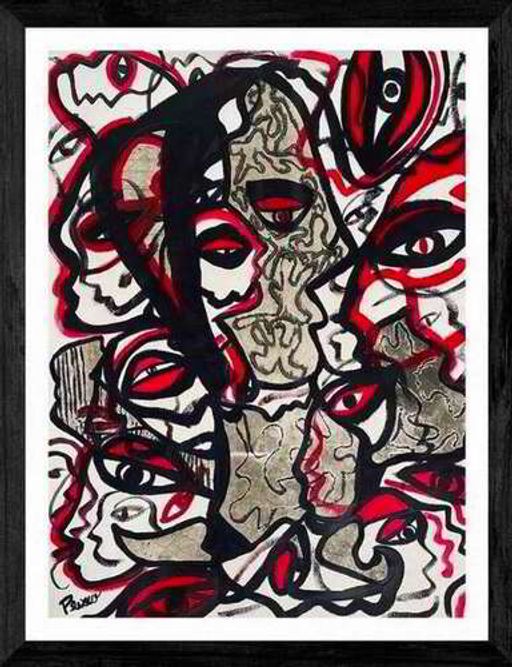
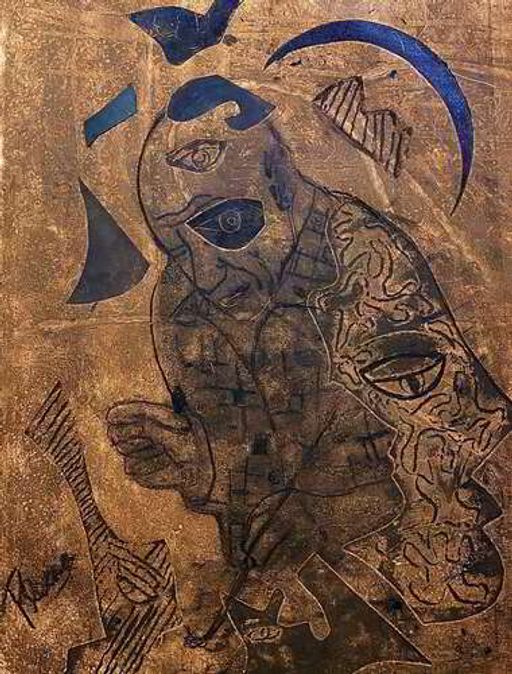
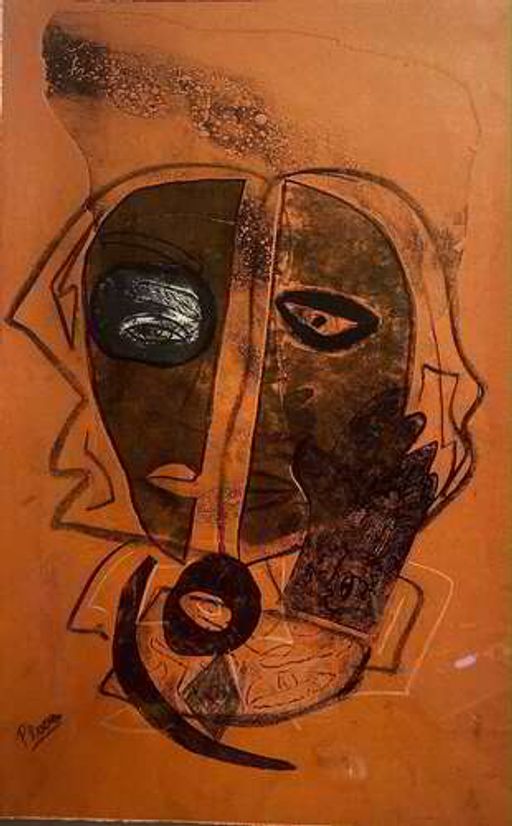
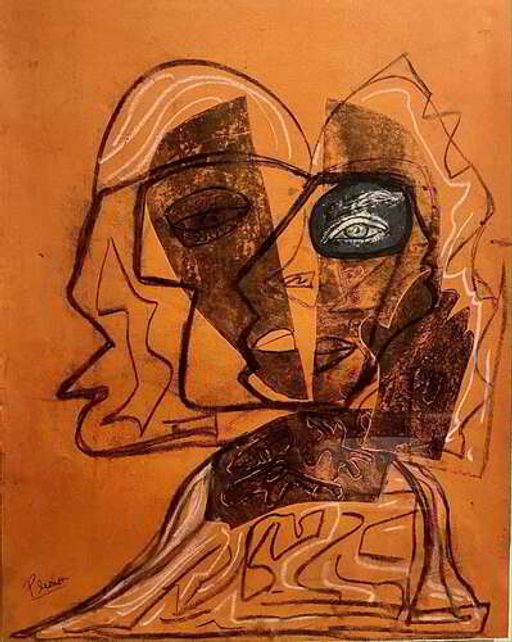
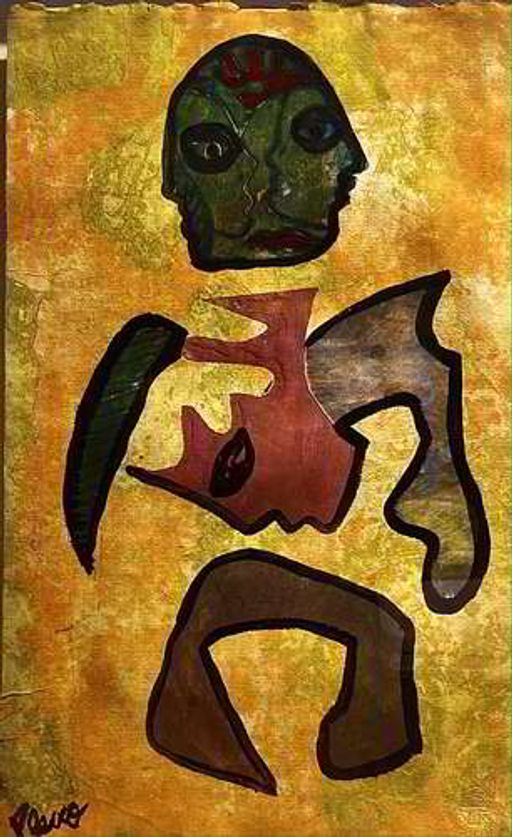
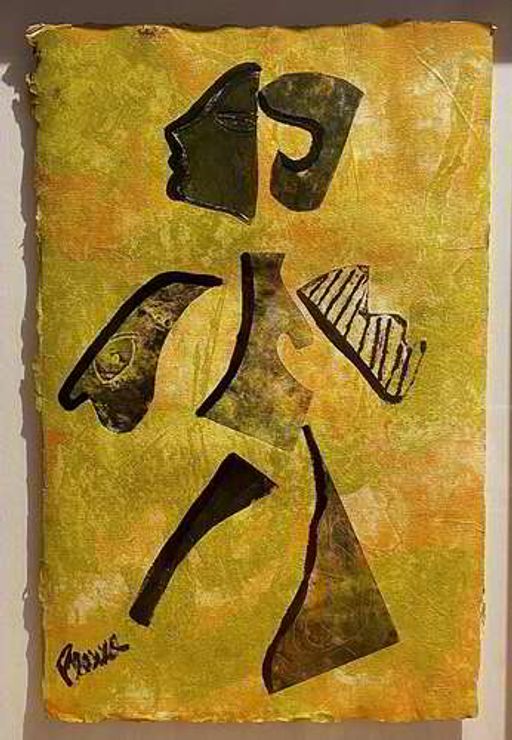
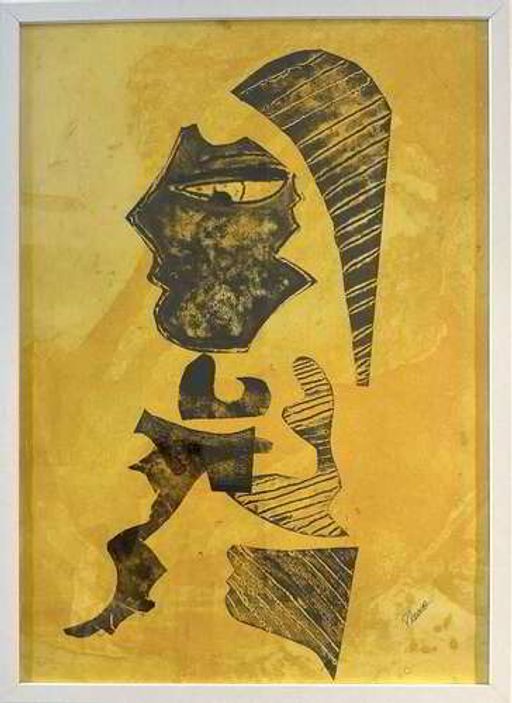
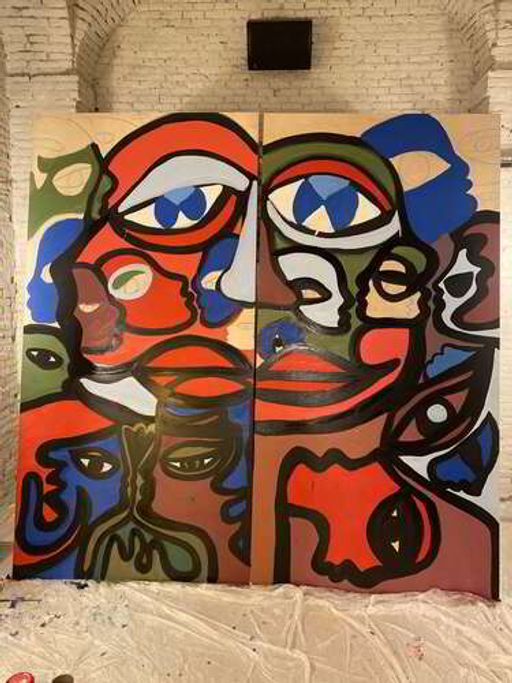
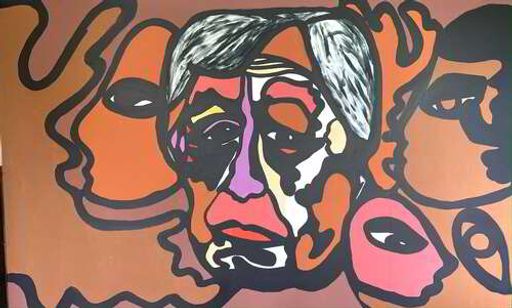
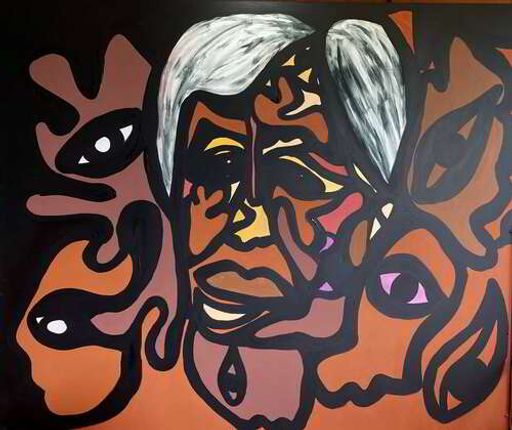
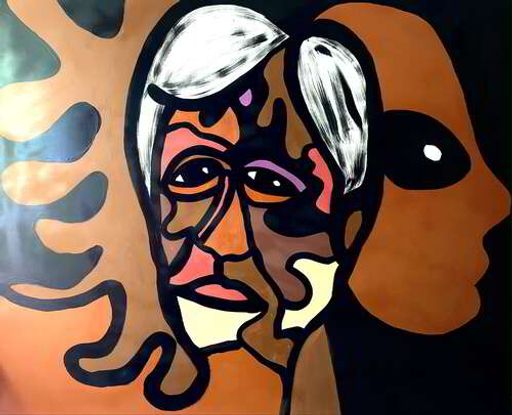
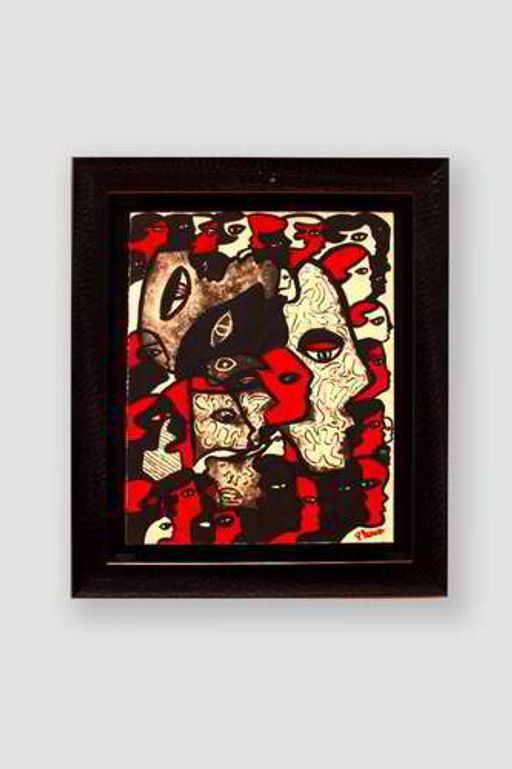
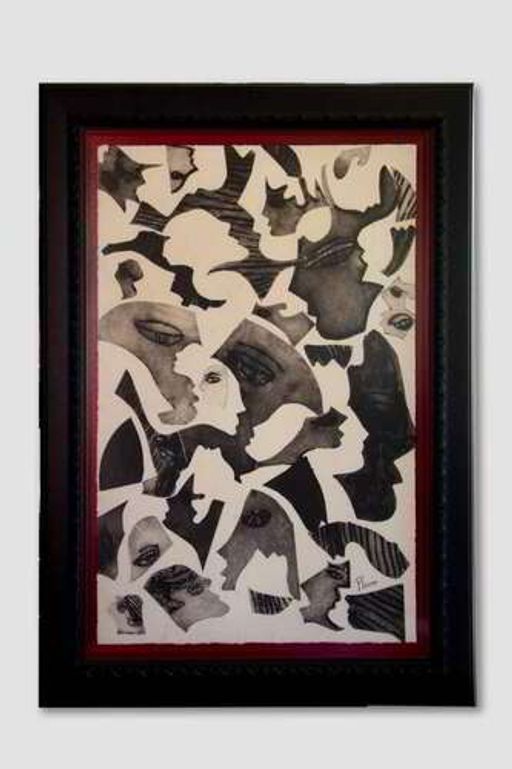
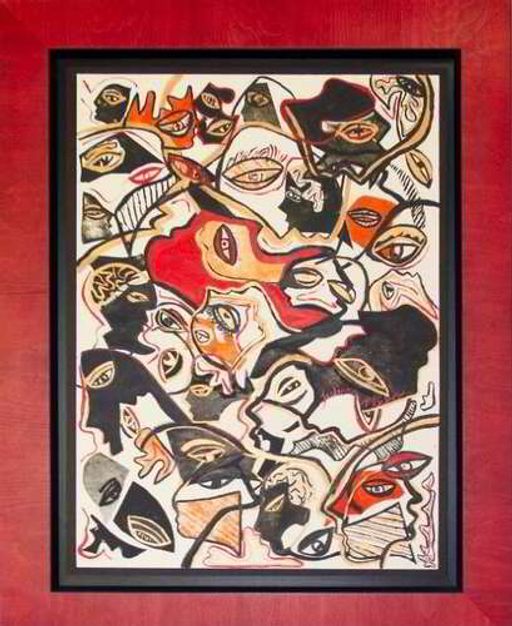
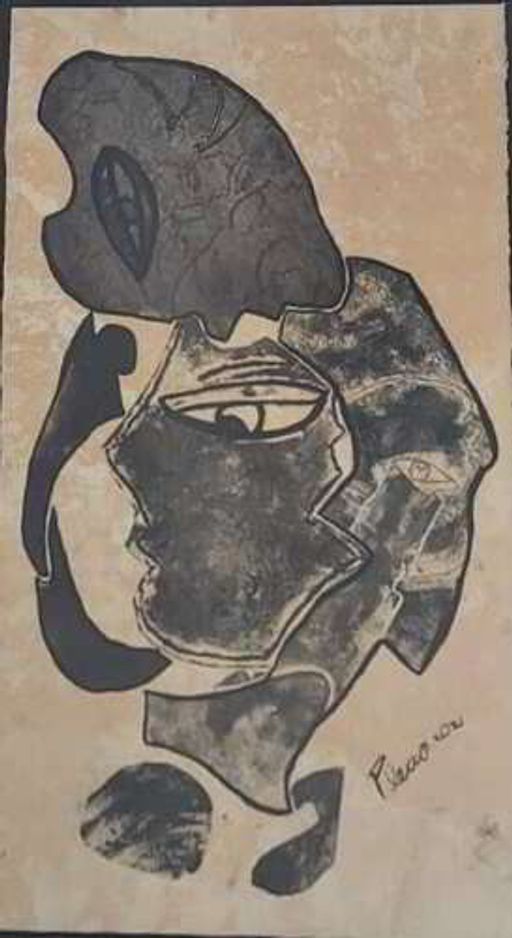
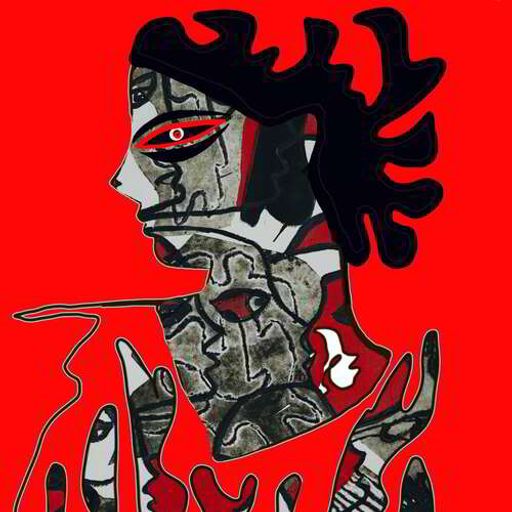
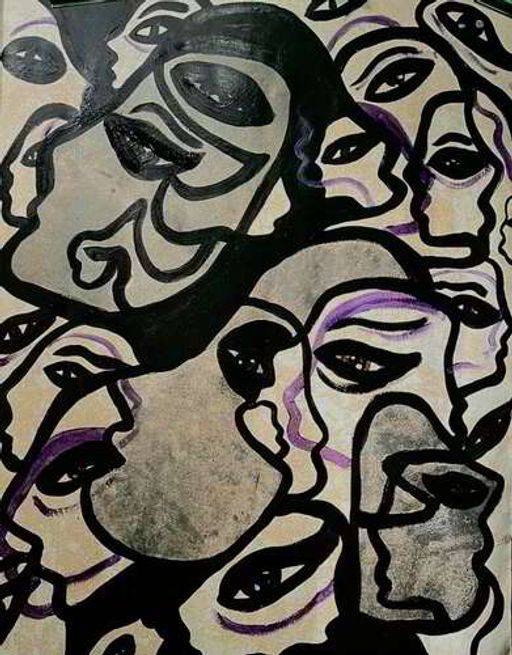
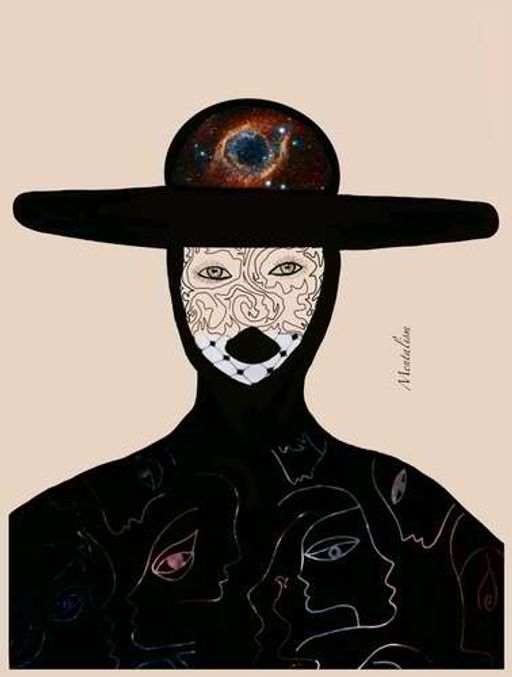
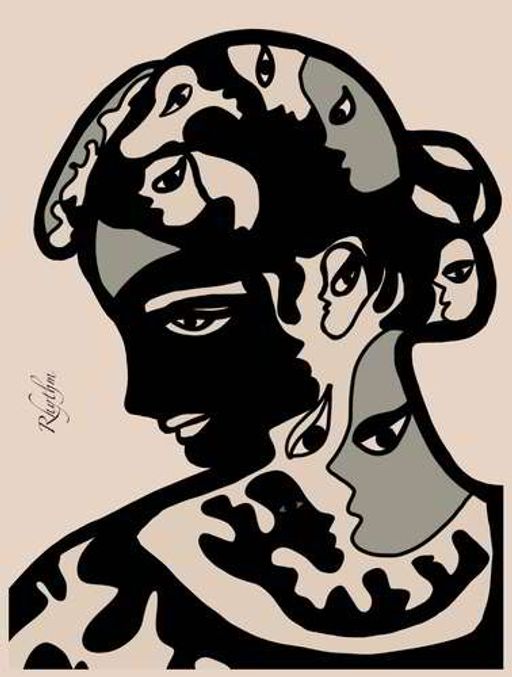
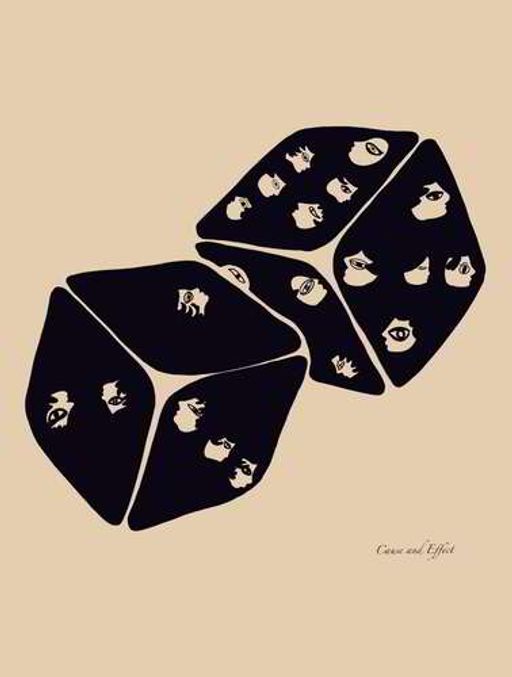
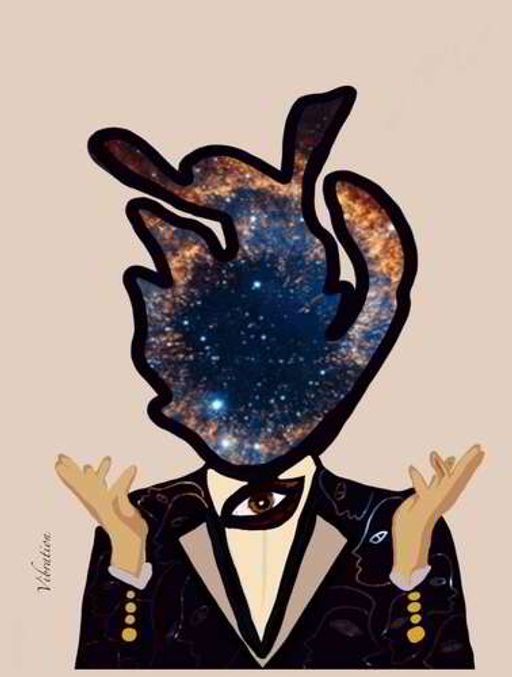
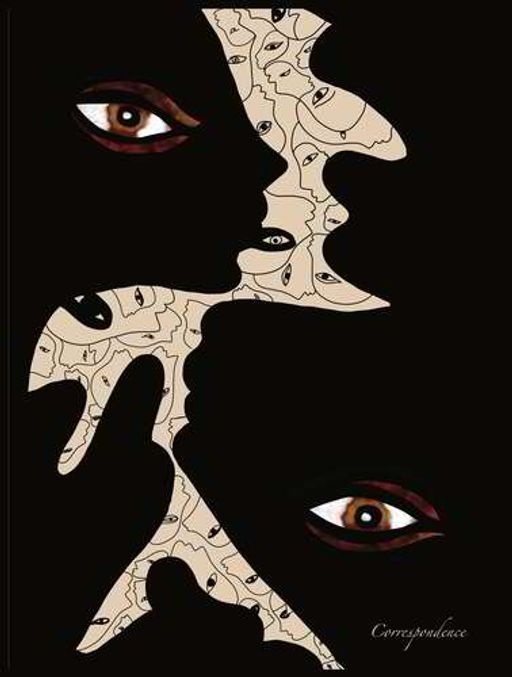
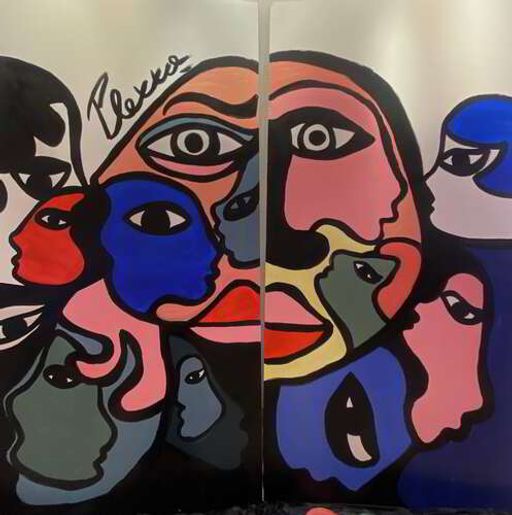
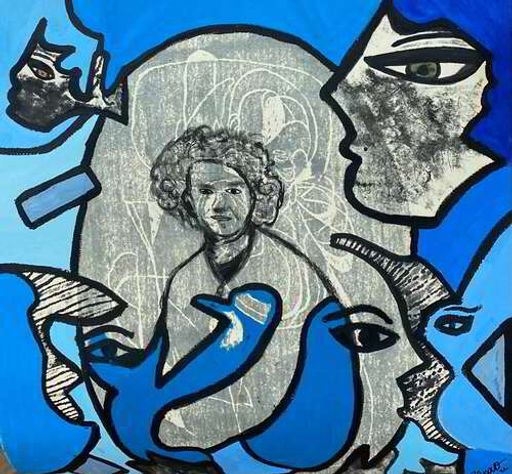
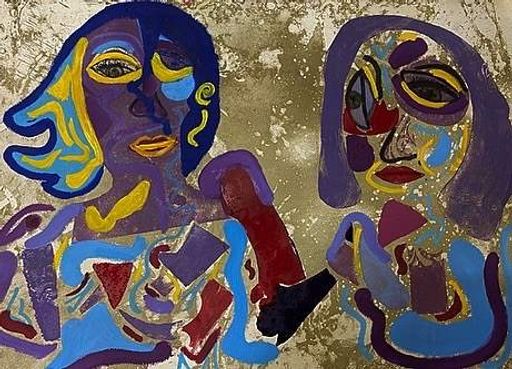
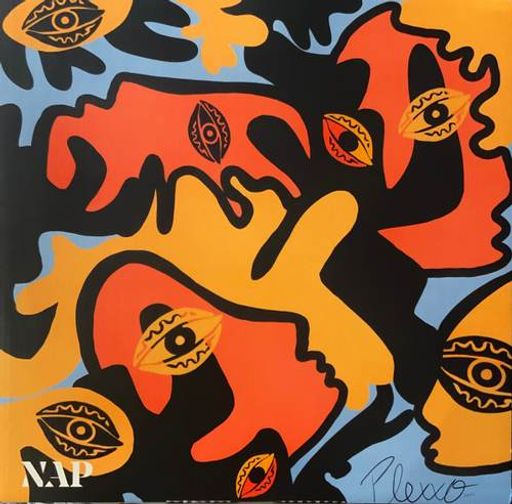
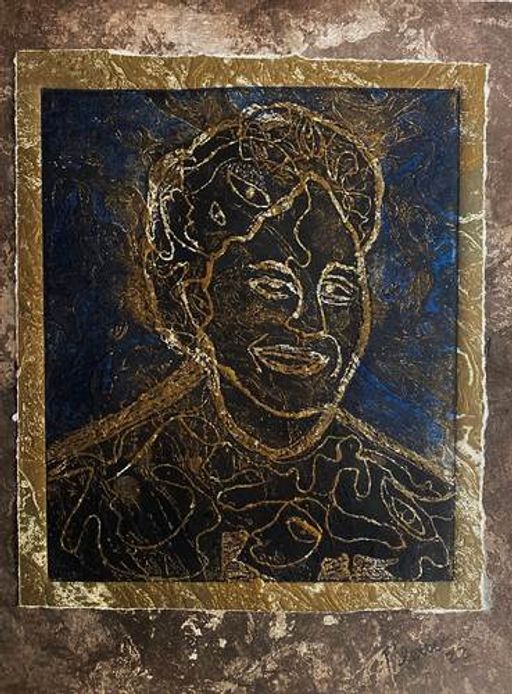
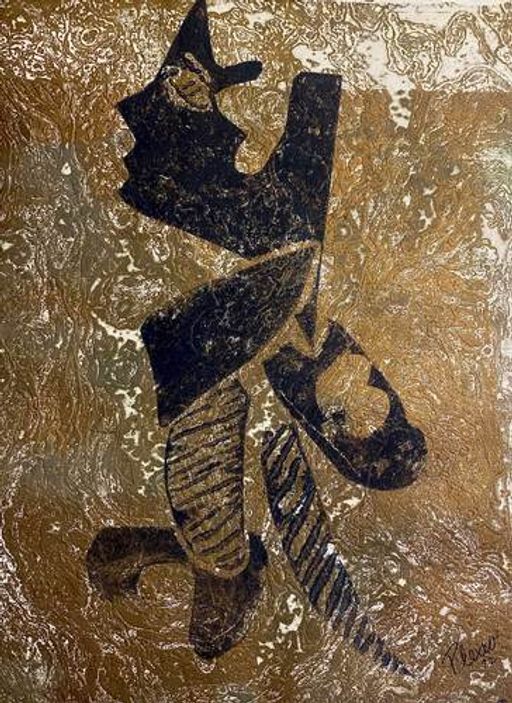
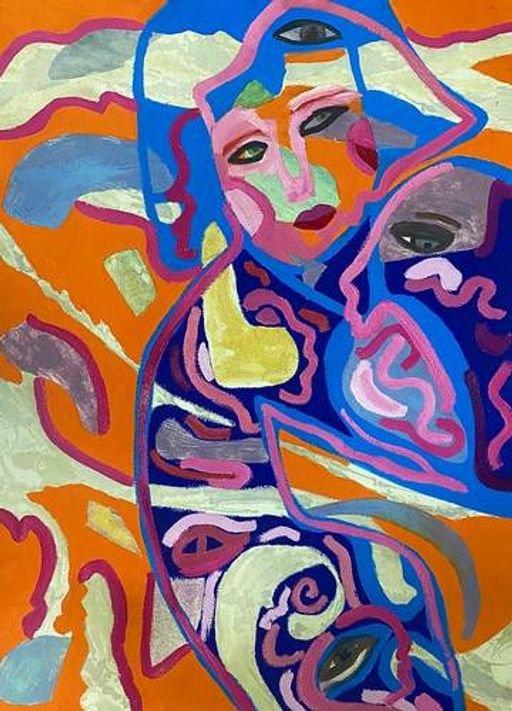
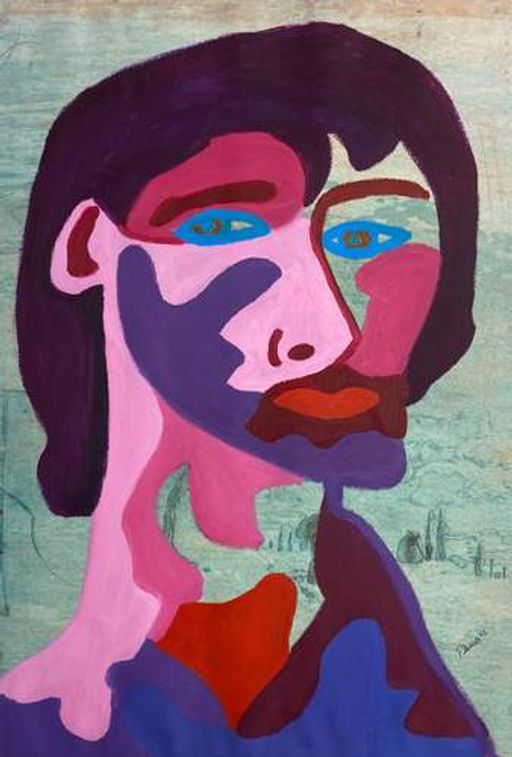
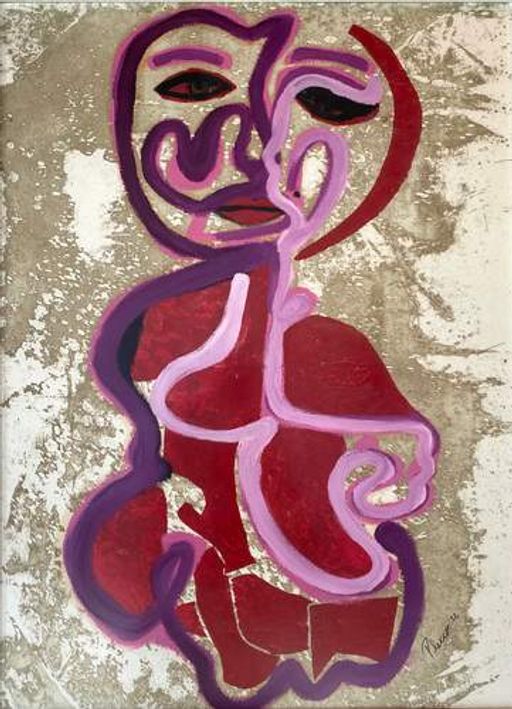
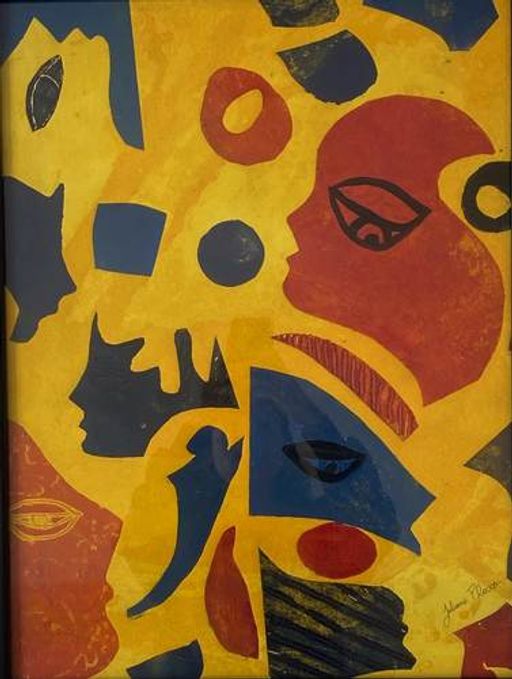
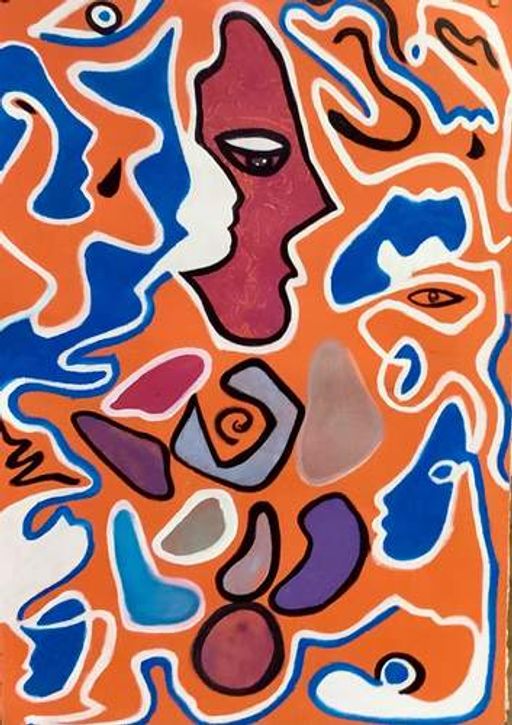
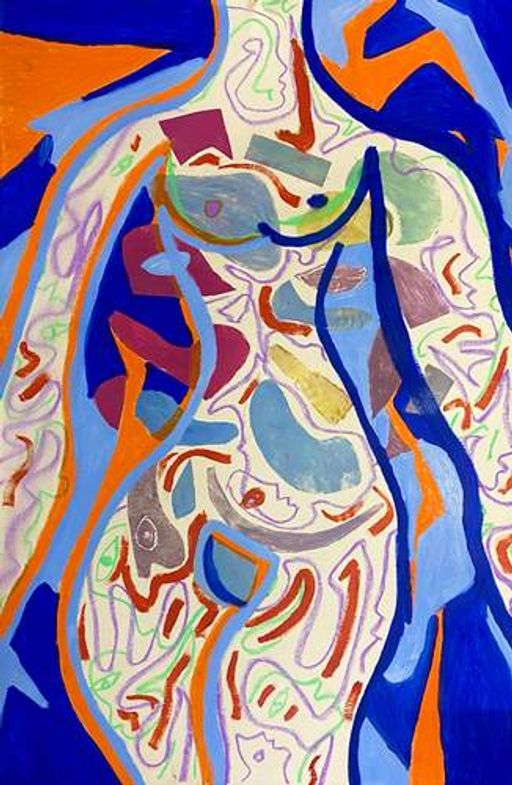
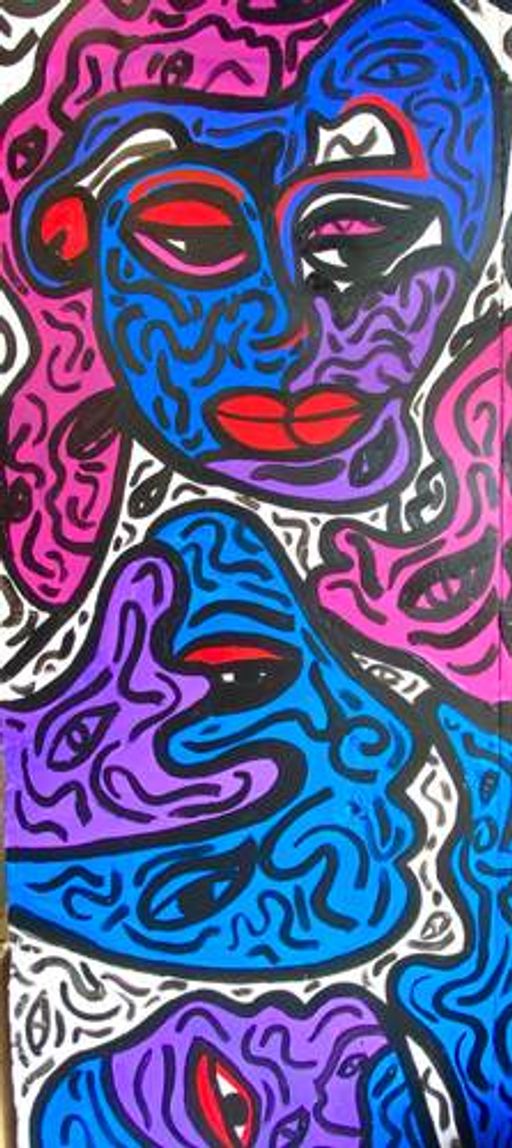
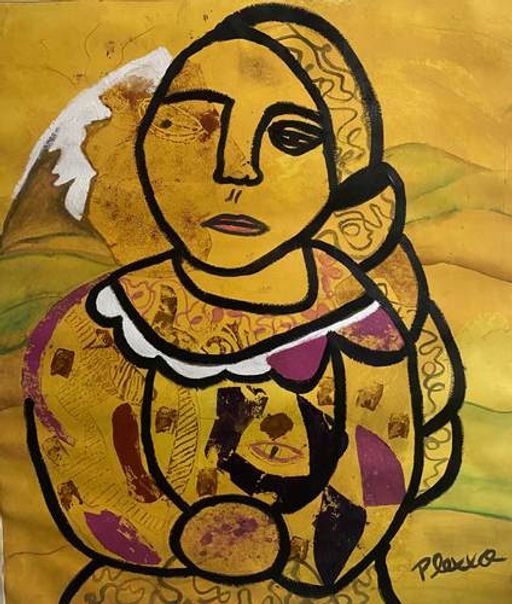
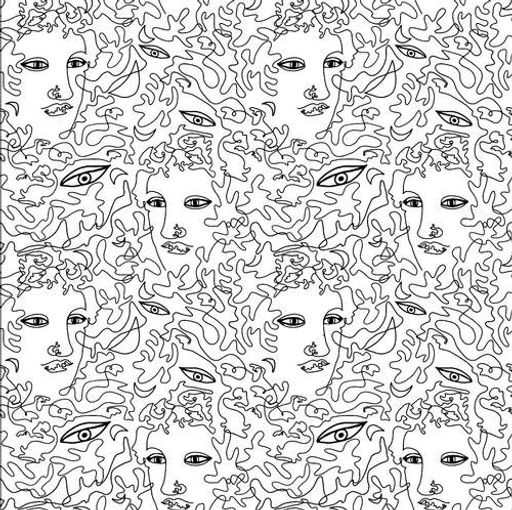
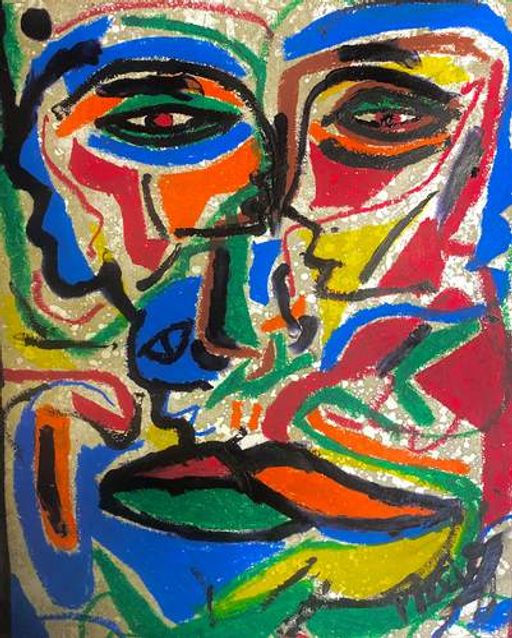
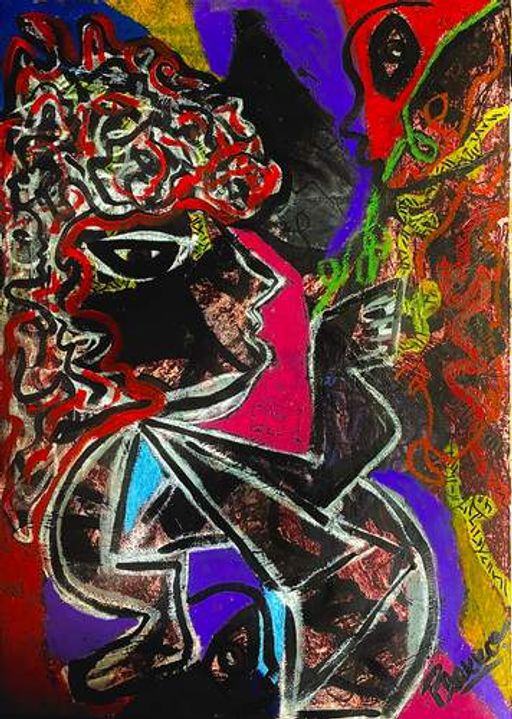
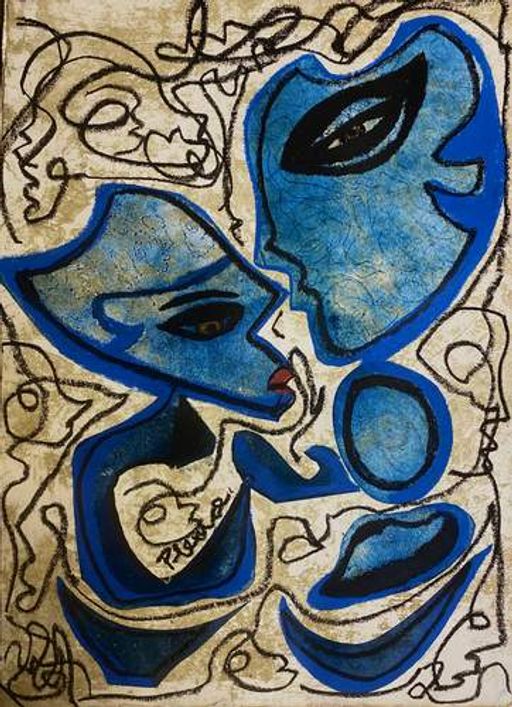
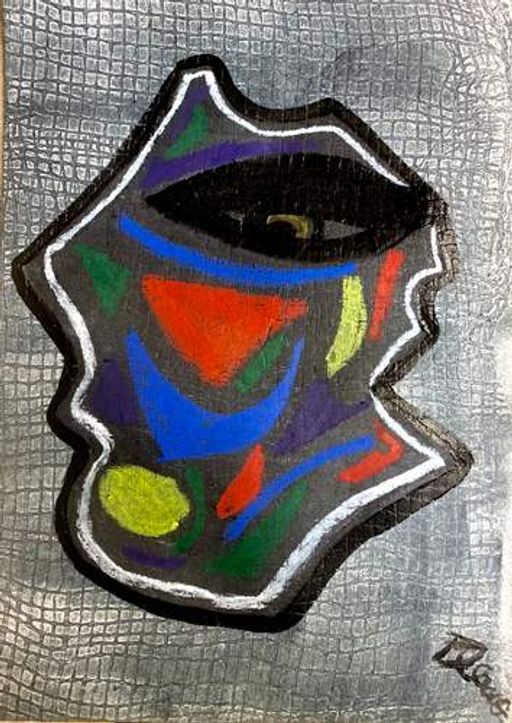
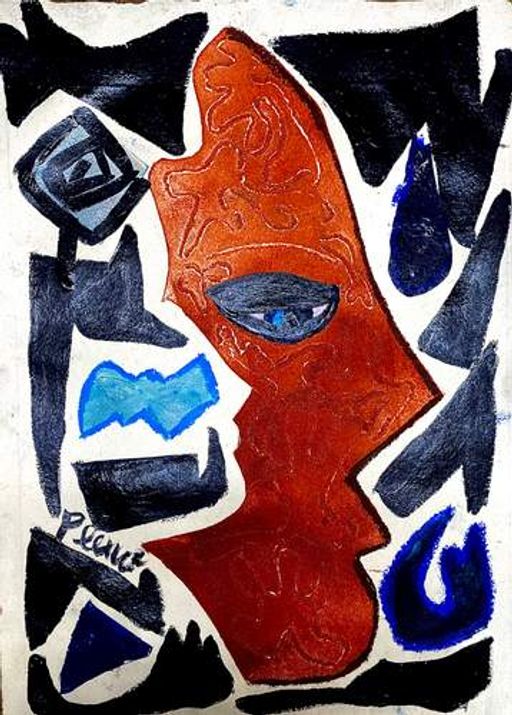
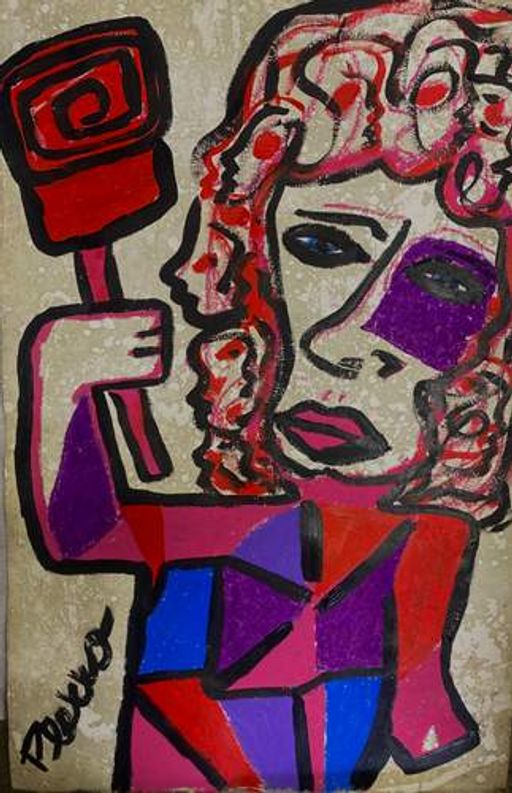
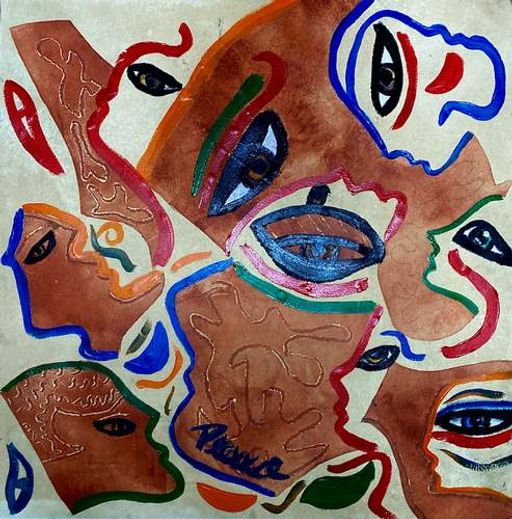
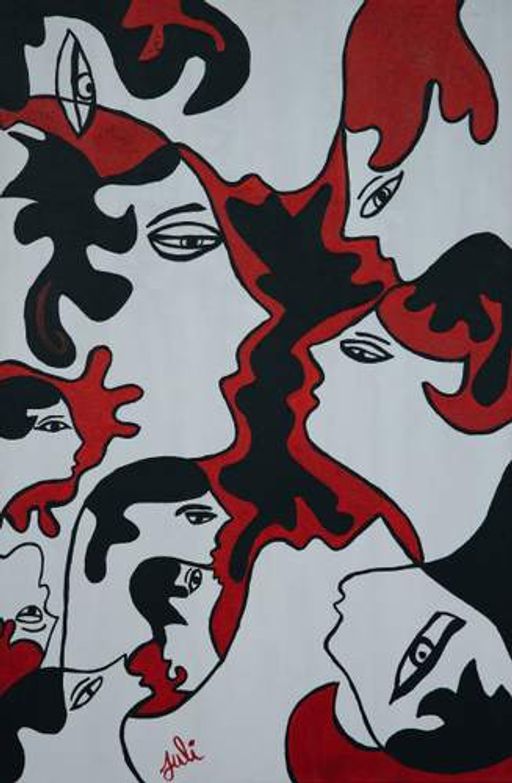
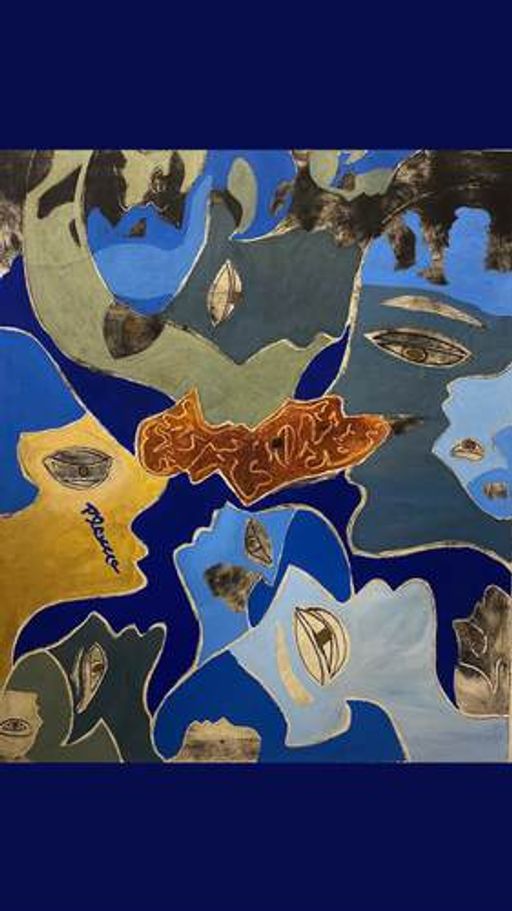
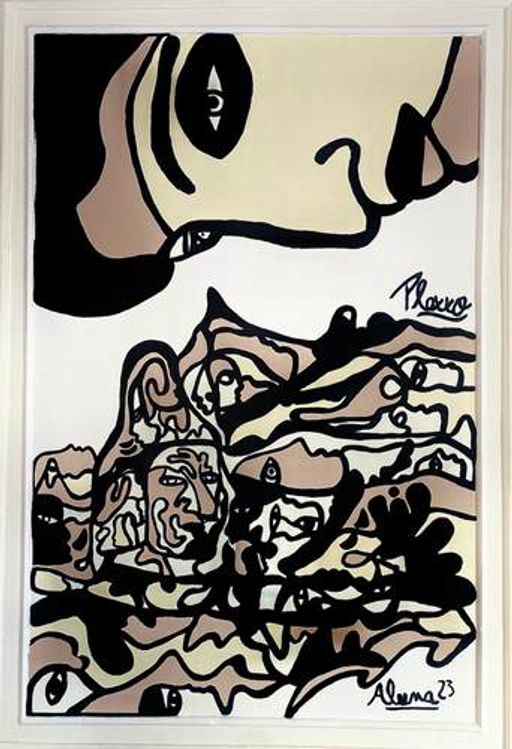
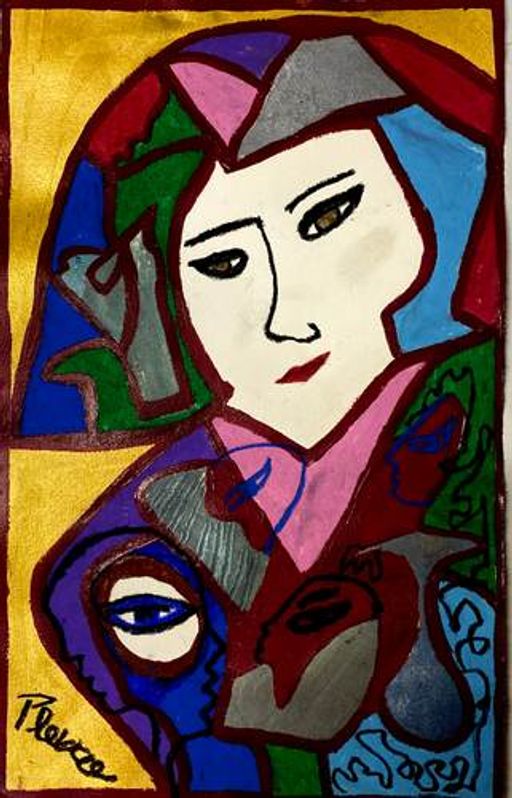
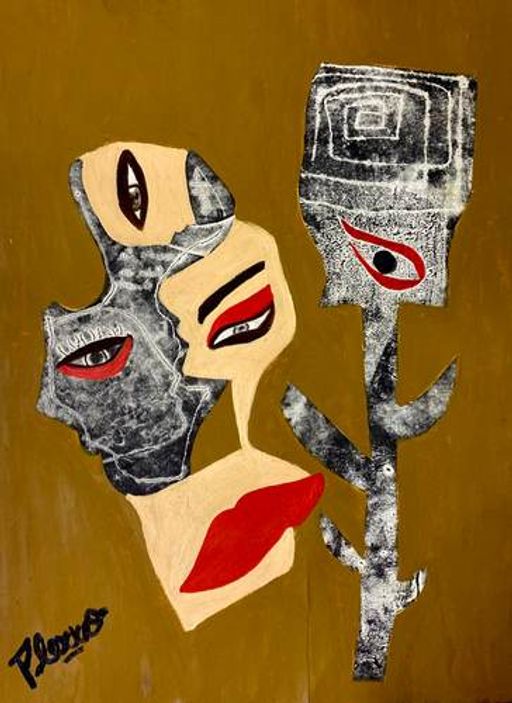
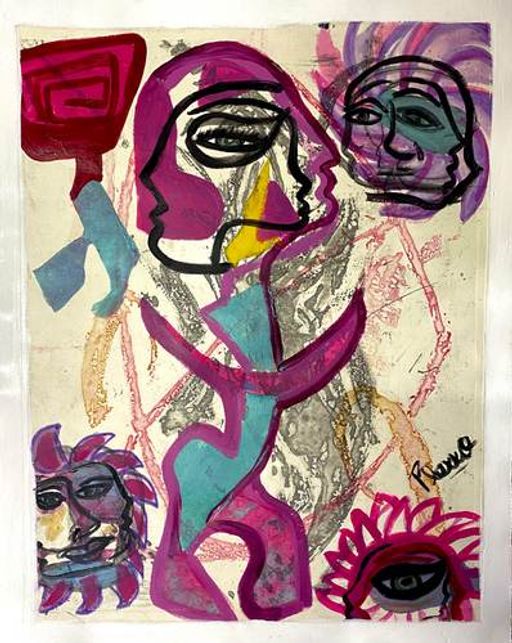
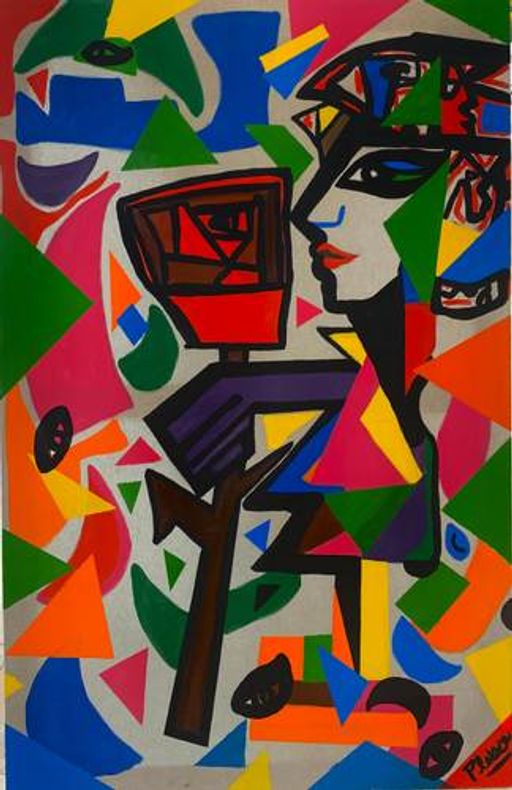
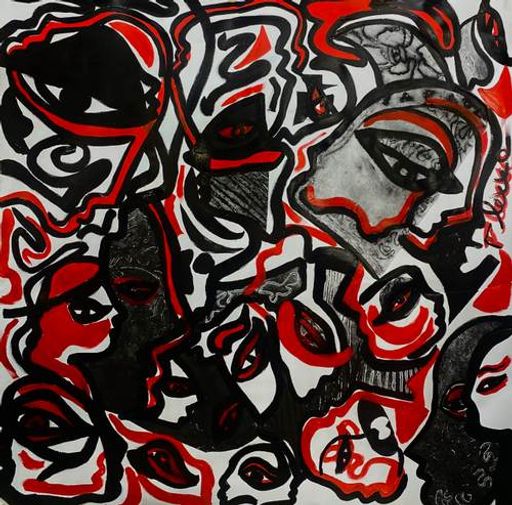
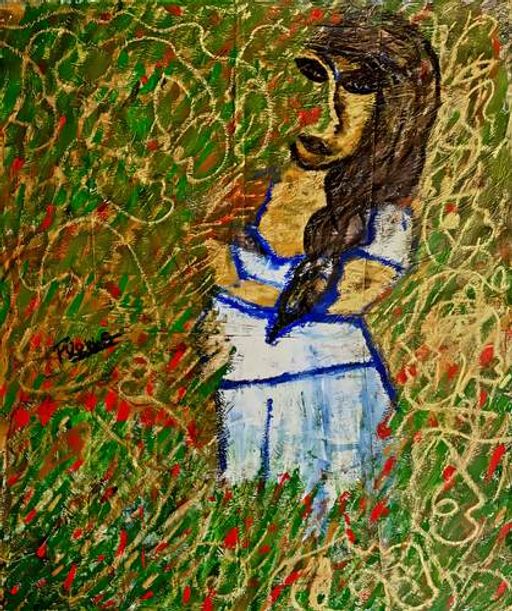
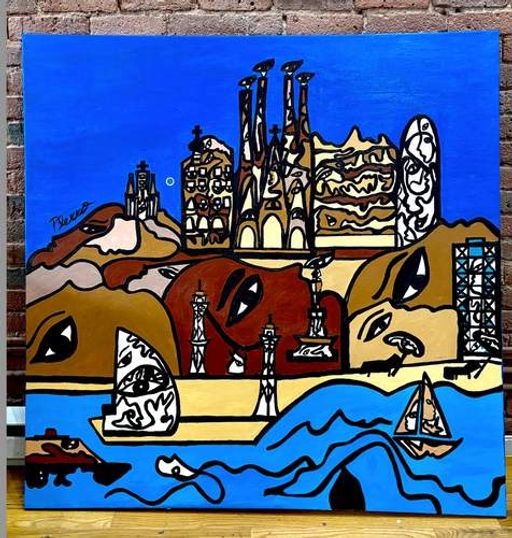
Juliana Plexxo (Bogotá, Colombia) is redefining the boundaries of contemporary art by merging the ancient technique of metal engraving with Augmented Reality (AR). As a resident at Barcelona’s legendary Studio 46, the historic workshop of masters like Picasso, Miró, and Dalí. She uses ancestral processes such as etching and drypoint to create vibrant, neo-expressionist compositions. Deeply influenced by her Latin American roots and the Andean worldview, her creative philosophy challenges traditional mass production. In a conceptual act of rebellion, Plexxo pulls only a single print from her engravings before physically destroying the original copper matrix, ensuring that every piece is an absolute, unrepeatable original. For Plexxo, AR is never a superficial addition; it is a philosophical necessity used to break the physical confines of the frame. The digital layer she integrates acts as the artwork's "residual memory." Through this spatial technology, viewers can uncover hidden, dynamic layers of movement, sound, and geometry. Her iconic neo-cubist bulls and telluric motifs detach from the canvas, coming to life directly within the viewer's environment. Recognized among Forbes Colombia's "50 Most Creative," nominated for "Young Talent of the Year" by UC Berkeley, and the first Colombian woman to exhibit at Ecuador's Capilla del Hombre, Plexxo is leading a movement where the heritage of classical art survives, mutates, and actively dialogues with the 21st century.
Artist Statement
My artistic practice explores the profound dualities of existence, such as life and death, and creation and destruction. I channel my Latin American roots and Andean mysticism to map the human soul. Using traditional metal engraving techniques mastered at Barcelona's historic Studio 46, I rebel against mass production by pulling a single print and deliberately destroying the original copper matrix. This performative act guarantees that every piece is as finite, mortal, and uniquely irreproducible as human life itself. I then intervene these unique prints with neo-expressionist painting and seamlessly integrate Augmented Reality to expand the narrative beyond the physical frame. By overlaying these digital dimensions, I invite viewers to become active participants. They use spatial technology as a lens of clairvoyance to reveal the artwork's hidden layers of sound, volumetric movement, and residual memory. Ultimately, I want the audience to experience a deep introspection through this immersive encounter, reconnecting our modern, hyper-technologized world with its primal and organic roots.