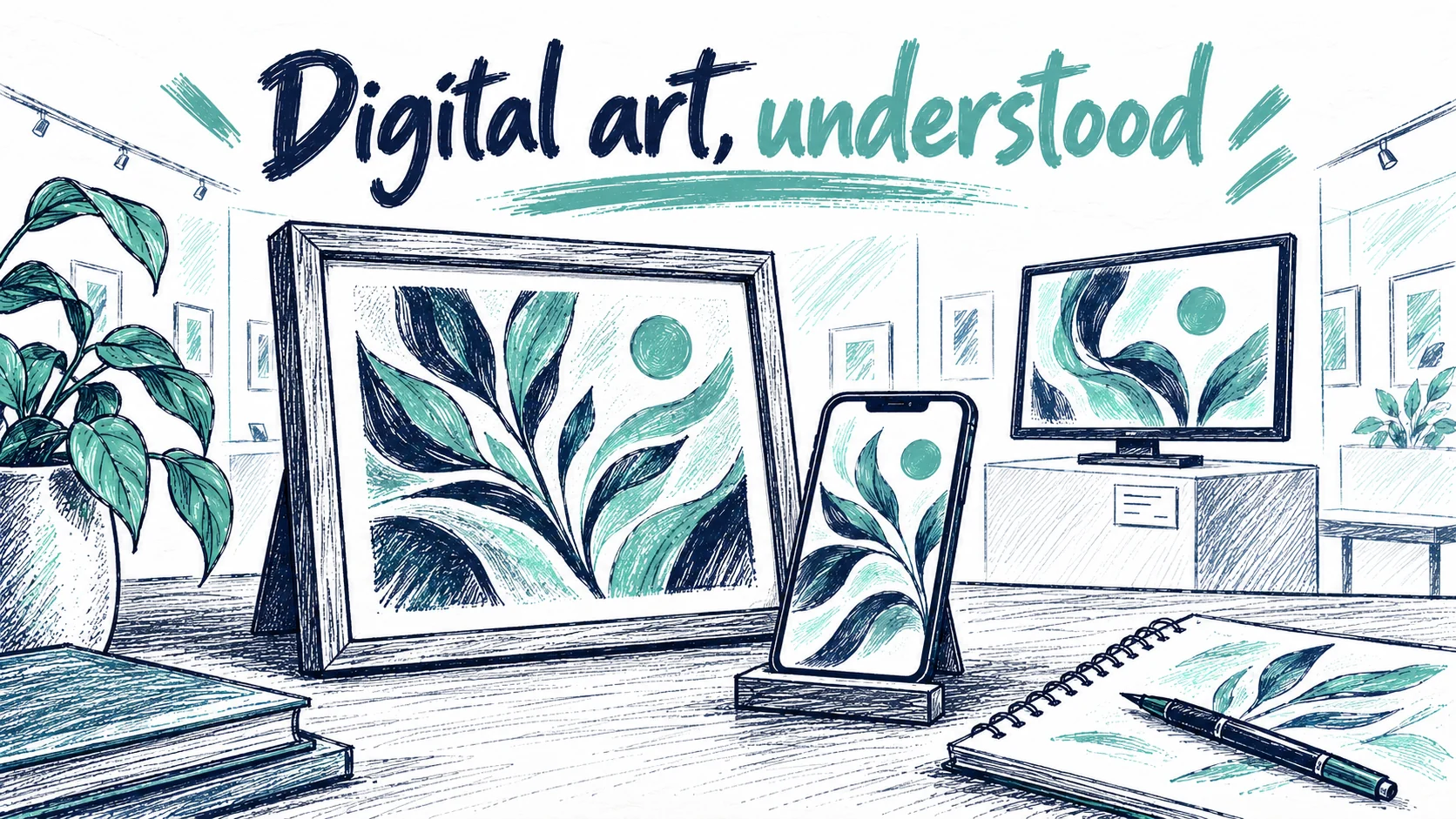
Digital art beyond NFTs: what earns a gallery's trust
What happens when a digital artwork is judged through memories of the NFT market? A gallery perspective on the work, the token and the experience.
Latest news, tutorials, and insights about AR art
What happens when a digital artwork is judged through memories of the NFT market? A gallery perspective on the work, the token and the experience.

Two days of conversations about galleries, curiosity and artistic direction left me with questions to bring back to Painta and the physical encounter with art.

A single artwork can be enough to discover whether augmented reality adds something worth keeping. Start with the curatorial question, then choose the scale.

A strong AR commission begins with something worth revealing. Connect the object, the evidence, the visitor and the room before deciding how large or spectacular an experience should be.
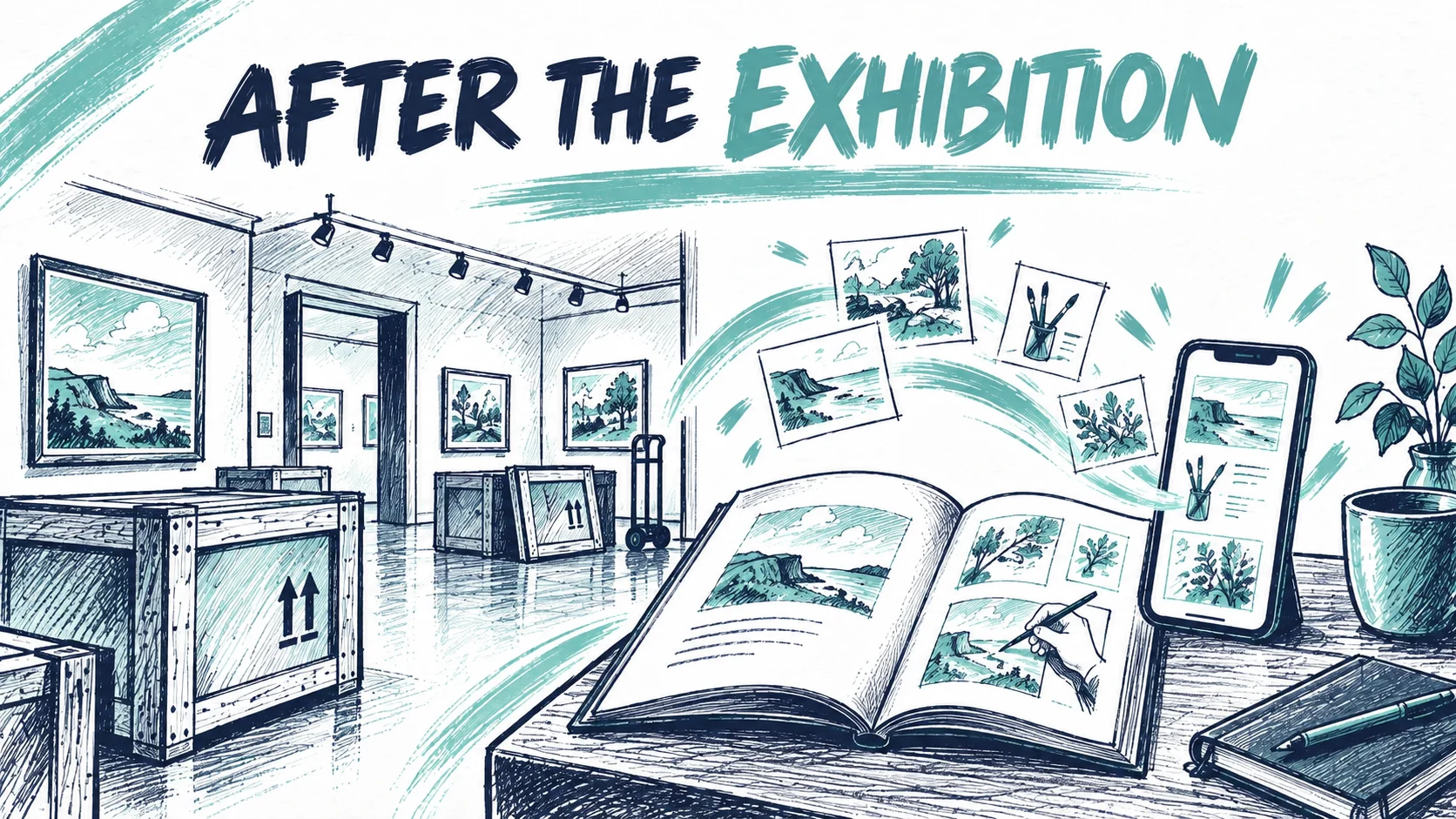
When the labels come down, the digital material needs a new brief. Give an exhibition a thoughtful second life through clear context, artist participation and a reason to return.
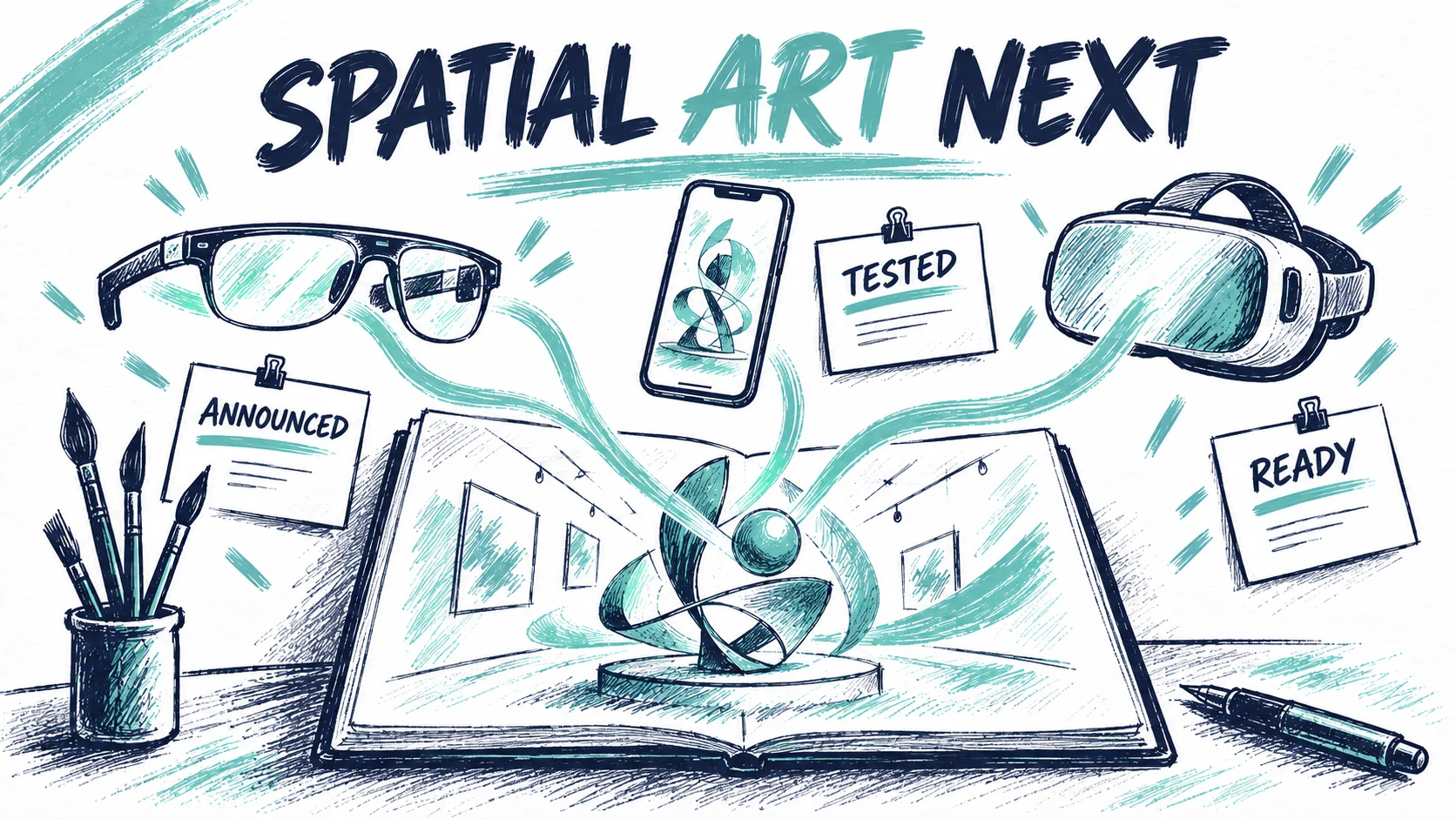
New glasses and browser capabilities create possibilities for spatial art. The useful question is what they help someone notice, understand or discuss when they encounter a work.

The first reveal is only one part of an AR artwork. A collector's closer look at artistic intention, ordinary viewing conditions and the conversations that make a work comfortable to live with.

A scan can signal curiosity, a retry or a shared encounter. Learn to connect event data with observation, curatorial purpose and the everyday effort of running an AR exhibition.

A beautiful model can reveal a hidden surface while leaving other questions unanswered. Explore the relationship between capture, evidence, reconstruction and the story of an object.
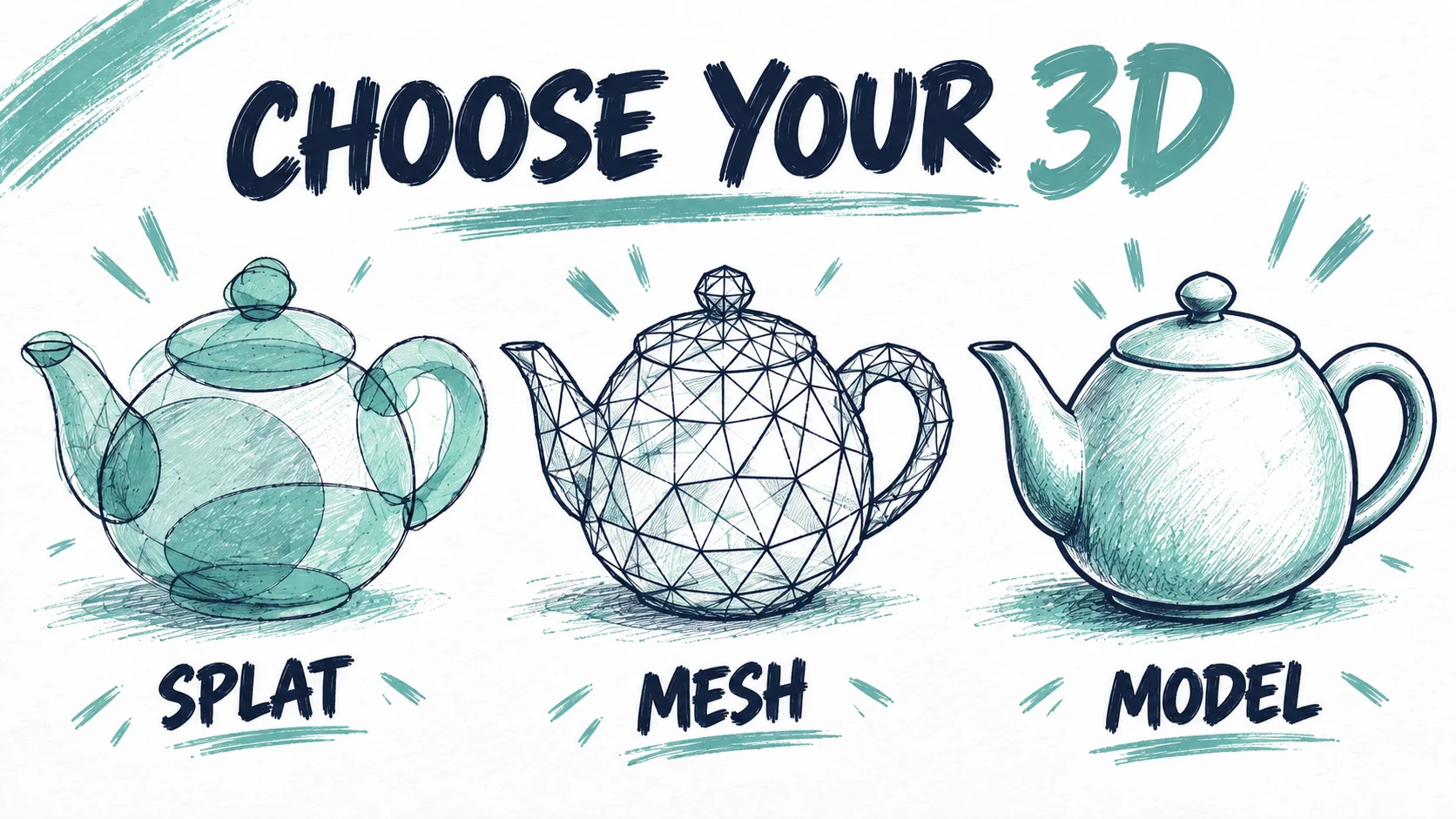
Seeing a sculpture in a room, revisiting an installation and explaining a hidden mechanism need different assets. Start with the visitor's action to write a clearer, more useful 3D commission.
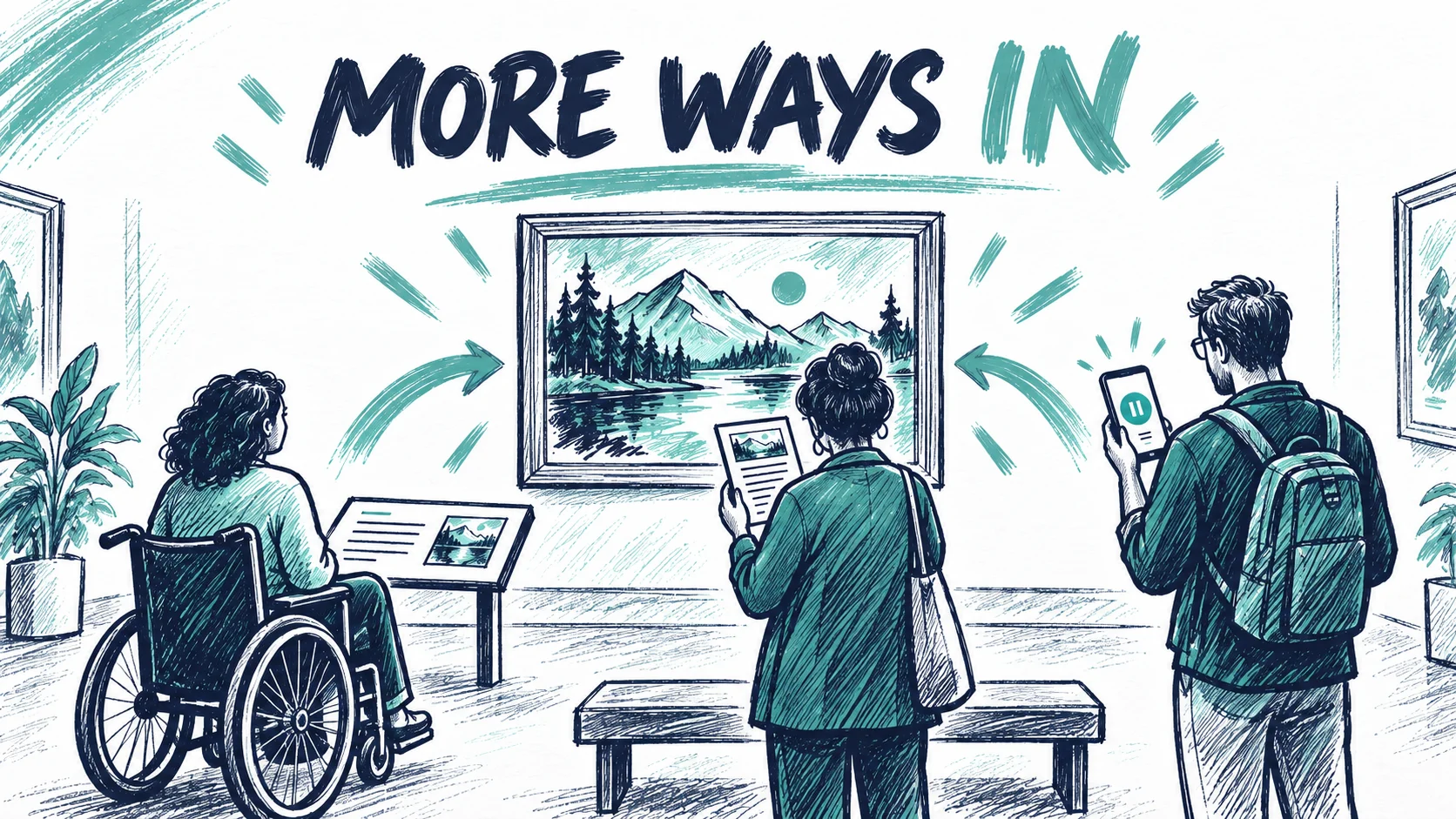
An exhibition includes the person who leaves their phone in their pocket. A closer look at the creative and practical choices that can make AR part of a more welcoming visit.

A beautiful demo is only the beginning. Explore the questions that help artists, galleries and museums choose an AR platform for the actual work, room and visitor.

What should happen after a visitor lowers their phone? Real museum and gallery examples offer a more thoughtful starting point for augmented reality around artworks.
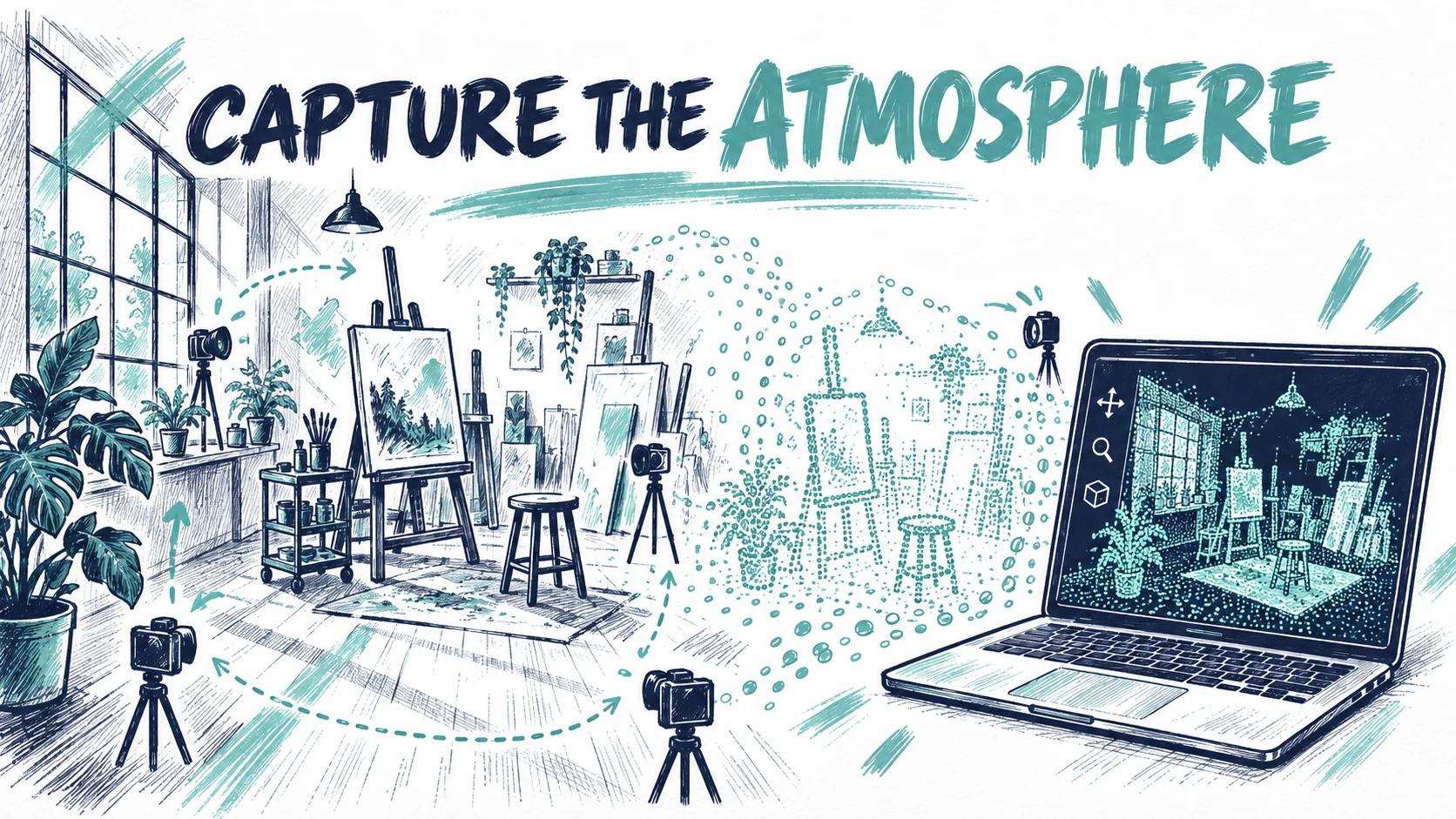
The drawings come down and the installation disappears. Gaussian splatting suggests another way to retain the feeling of a place, with important choices about evidence, interpretation and access.
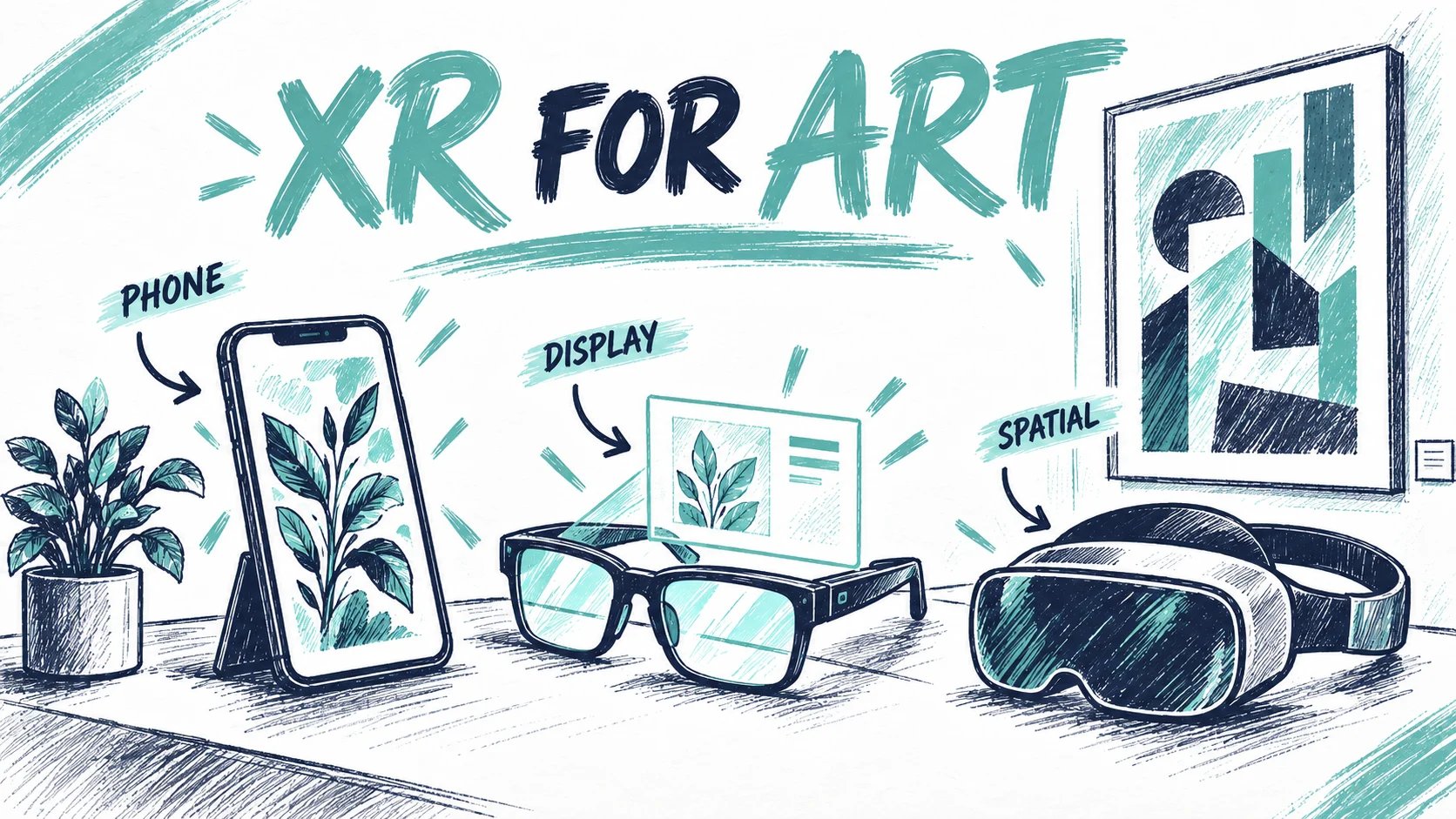
A spatial screen, a studio headset and a museum lending device solve different problems. A considered comparison of the hardware, software and visitor experience behind a useful purchase.

A single QR can connect visitors with several artworks. Explore when an ordered collection or artwork recognition makes sense for your exhibition.