Two days in a room full of gallerists: what stayed with me
person
Painta.me
Oct 7, 20267 min read
On 5 and 6 October, I attended Talking Galleries at MACBA in Barcelona. Looking back through my notes, I keep returning to curiosity, fear and the idea that an artist needs a home. They sound like different subjects. Over two days, they began to feel closely connected.
The programme brought together gallerists, artists, curators and people working across the art market. Conversations with Victor Gisler and Massimo De Carlo sat alongside discussions of gallery relevance, collecting and digital art. What follows is my own reflection on those conversations, rather than a transcript or a claim that everyone in the room agreed.
As someone building Painta, I found plenty to bring back to my work. Before considering what a digital experience might add to a gallery, it helps to understand what the gallery is already trying to protect.
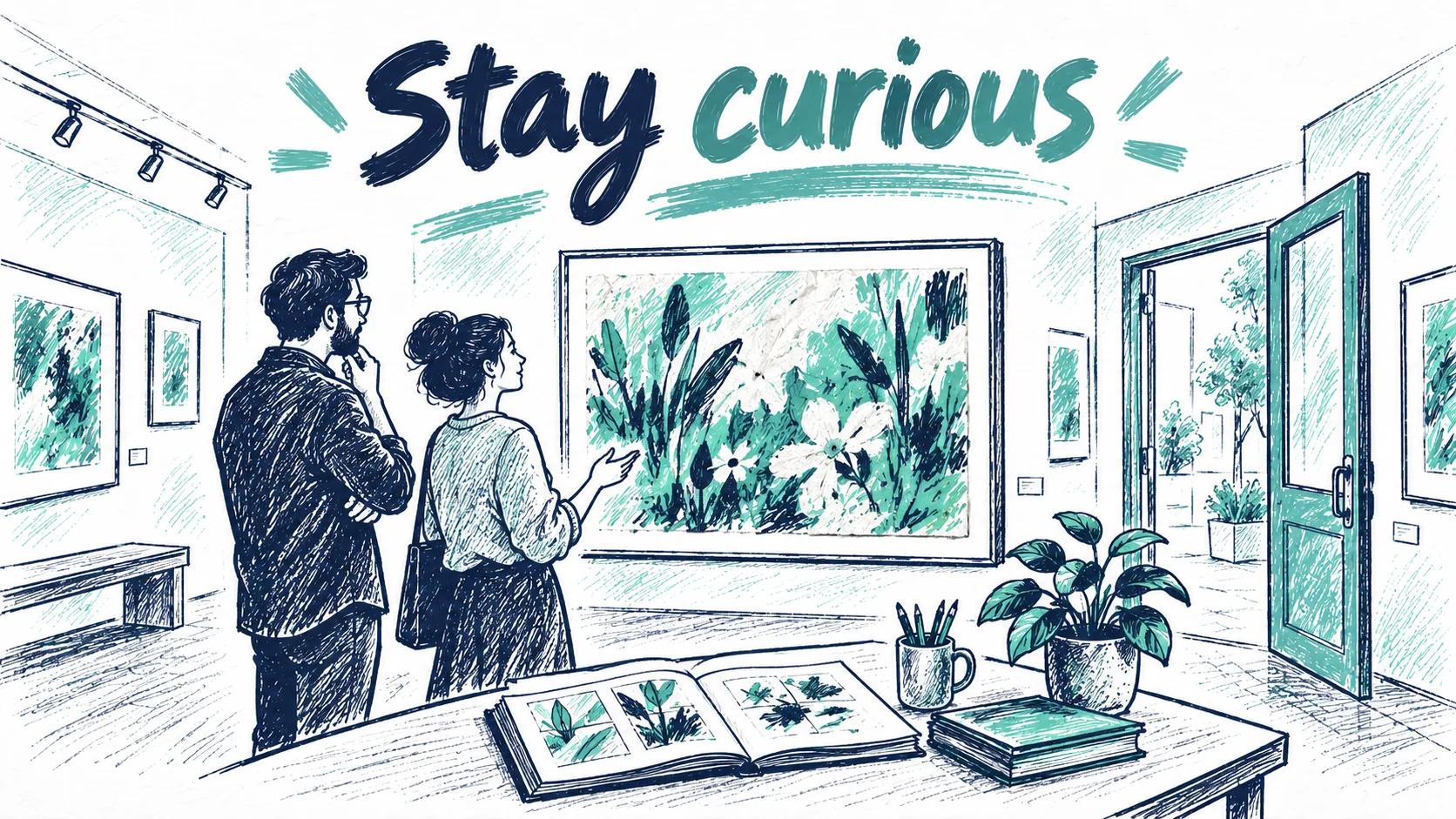
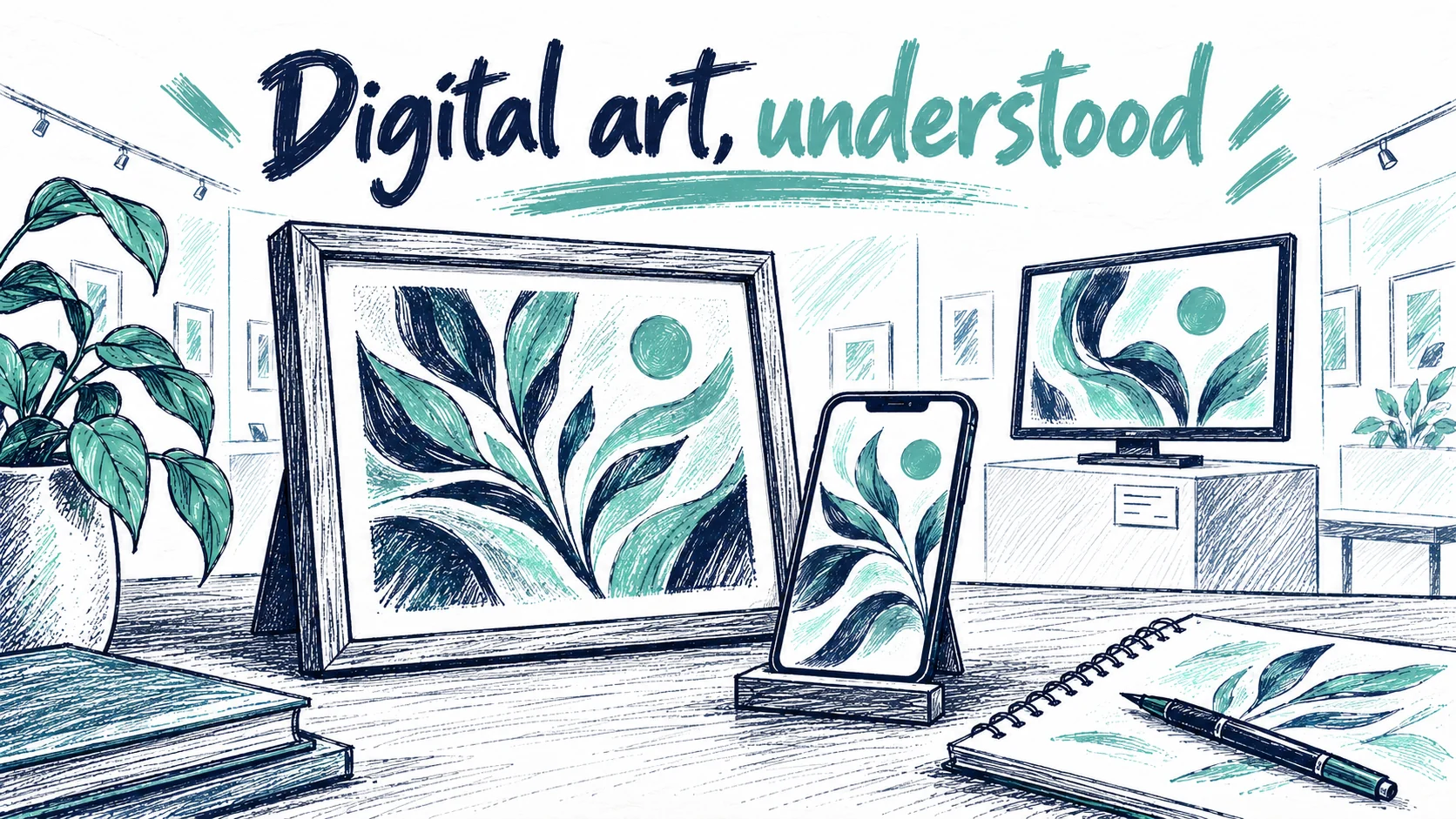
Photo: Painta.me | Original AI-generated editorial illustration. Conference photographs by Bernie Torras.
Curiosity gives a gallery its direction
One of the strongest ideas in my notes was that a gallery which loses its curiosity has lost a reason to keep going. I am paraphrasing a remark that stayed with me. Its force came from how much it asked of a business that also has invoices, deadlines and works to sell.
Curiosity takes time. An unfamiliar practice may demand a second studio visit, a longer conversation or a willingness to admit that the first encounter was confusing. The work may become interesting before it becomes easy to explain. A gallery programme gives those encounters a relationship: why this artist, why this exhibition, why now?
There is a difference between that kind of attention and keeping up with every new format. A gallery can make a thoughtful decision to support digital work. It can also decide that a particular proposal belongs elsewhere. Having a direction makes both decisions easier to understand.
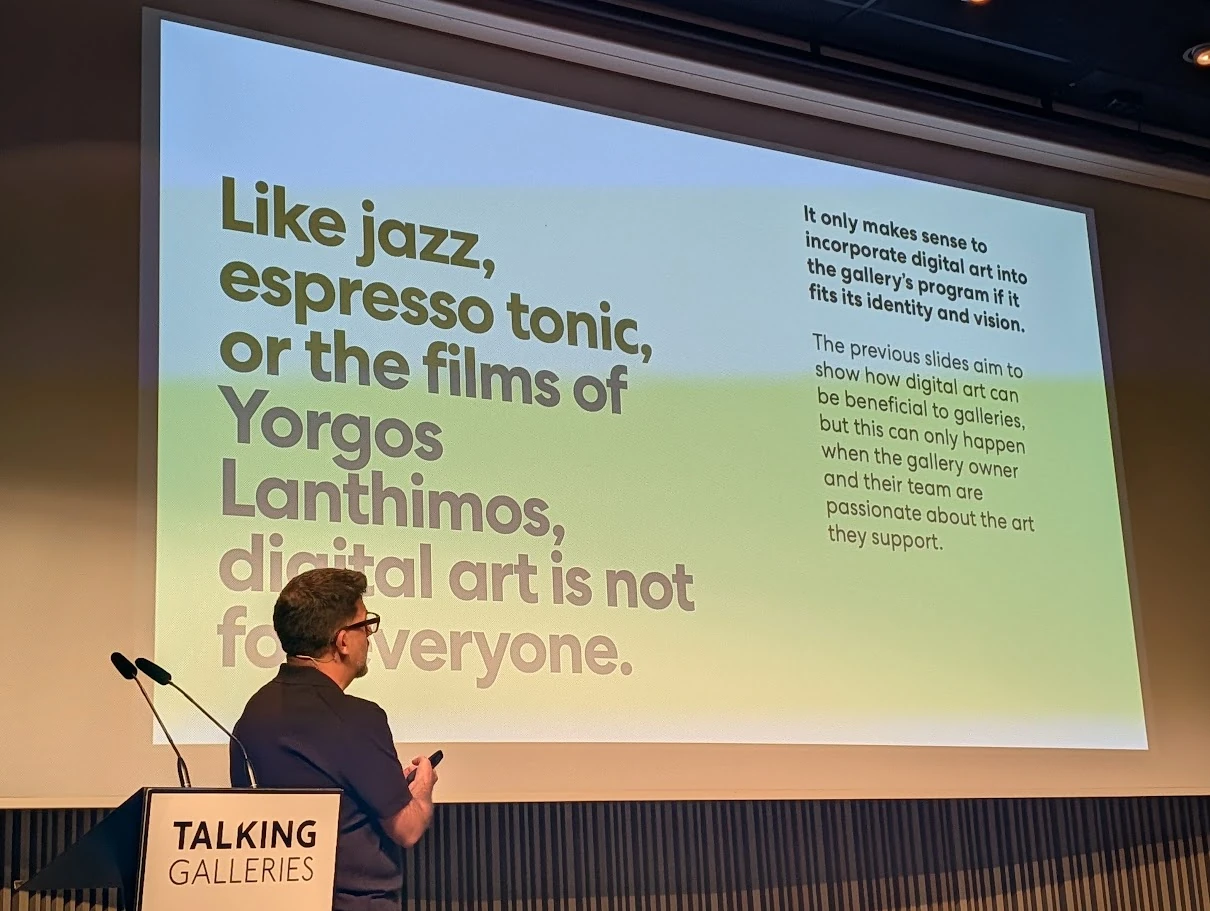
Talking Galleries, MACBA, 6 October 2026. A slide about the place of digital art in a gallery programme. Photograph by Bernie Torras; presentation material belongs to its respective creator.
One slide I photographed made this point with unusual warmth: digital art, like certain tastes in music, drinks or films, will not appeal to everyone. Its place in a programme depends on the gallery's identity and the team's interest in the art. That seems a more useful starting point than treating adoption as a test of whether a gallery is modern enough.
An artist needs room to take a risk
Another idea concerned fear and what it does to an artist's work. Commercial uncertainty is real, and it does not disappear because someone recommends being brave. But the conversation made me think about the conditions in which an artist can explore something without having to defend its market value immediately.
A gallery can help by being specific. Which part of a body of work needs more time? Which experiments have opened a productive question? Where is the artist spreading their attention so widely that the strongest thread becomes difficult to follow?
That is how I understood the suggestion that a dealer should sit down with an artist and discuss where to focus their efforts. The value is in sustained attention to the practice. A direction developed through conversation can be useful; an instruction to reproduce whatever sold last month can narrow the possibilities very quickly.
Digital projects make this tension visible. Imagine a painter interested in the relationship between a finished surface and the marks underneath it. Motion might let that painter explore something important. Asking for an animated version of every canvas would turn a particular artistic question into a production requirement. The same tool can enter very different relationships.
A home carries more than an address
The importance of a physical home came up strongly in my notes, together with scepticism about pop-up galleries. I would be careful about turning that position into a rule. A temporary space can host a serious exhibition, and a permanent address does not guarantee a meaningful programme.
What interested me was the value beneath the preference: continuity. There is somewhere an artist can return to, somewhere a visitor can encounter the next chapter, and a team whose decisions can be understood across several exhibitions. A place can hold the memory of those relationships.
Being in front of a work matters too. Scale, surface, distance and the presence of other people change an encounter. A photograph may prompt a visit, while the visit reveals why the photograph was insufficient. Neither experience has to invalidate the other.
This is where I see a useful challenge for AR. The phone already competes for attention in a room. An experience should give a visitor a reason to look back at the physical work, or make its own artistic relationship with that work clear. Our discussion of museum AR that serves the artwork explores several different reasons for making that choice.
A gallery's judgement travels through many channels
There was also frustration in my notes about galleries sharing attention with platforms, fairs, biennials and social media. It is easy to understand why that feels consequential. A gallery may invest years in an artist while another channel becomes the place where a larger audience first encounters the work.
Yet discovering an image and developing a relationship with an artist are different activities. A platform can widen access. A fair can bring people together. A gallery can provide context, continuity and a conversation that develops over time. In practice, these roles often overlap.
The difficult decision is where to spend limited time. More channels mean more opportunities to be seen, but also more material to prepare and more relationships to maintain. A clear programme provides a way to judge which invitations deserve that effort.
For a digital presentation, the same question applies. Does this help the gallery express its choices, or does it add another place that needs attention? Being available everywhere is a demanding ambition. Being useful at a particular moment gives a team something more concrete to work towards.
What I bring back to Painta
The practical idea I keep returning to is sequence. A gallery brings works into relation through a room, a conversation or an exhibition text. Digital material can participate in that relationship when someone has made deliberate choices about what belongs together.
Consider a short series in which one work includes the artist's voice, another reveals an earlier drawing and a third has no digital addition at all. The differences can be meaningful. They give each work the treatment its idea calls for, instead of making every object perform the same effect.
In Painta Studio Pro, a prepared collection is one way to give several artwork experiences an order. The useful work begins with the selection and the intended visit. Our article on one QR code for a gallery, collections and Scan explains the distinction between a prepared sequence and looking up a work through recognition.
I would start with one artistic question and a small number of works. Who is the experience for? What might it let them notice? What should remain with them when they lower the phone? A focused AR pilot can give those questions a manageable setting.
Two days of conversation did not leave me with a formula for the future of galleries. They left me with a more demanding way to think about what we add to them. Curiosity, a direction and a relationship worth returning to are good things to build around.
Founder and creator of Painta.me. Artist in my spare time and AR art enthusiast. Building tools to help artists bring their creations to life through augmented reality.
A short weekly email with new Painta.me tools, practical AR ideas, artist opportunities, and ways to make your work easier to create, publish, and share. Useful even if you haven't created your first piece yet.
What you'll get
1
New AR tools
See what's new inside Painta.me and how it can help you create faster.
2
Artist opportunities
Open calls, featured works, community updates, and ways to get your art seen.
3
Practical AR ideas
Simple techniques to create, publish, and share better augmented reality pieces.
auto_awesome
Ready to create?
Create your free account, prepare an artwork and share it in augmented reality. Choose a paid plan when you need more.